

Confirm the agreed equipment
Review the returned layout and any parts replaced during the work. Keep records of changes alongside the original system information.
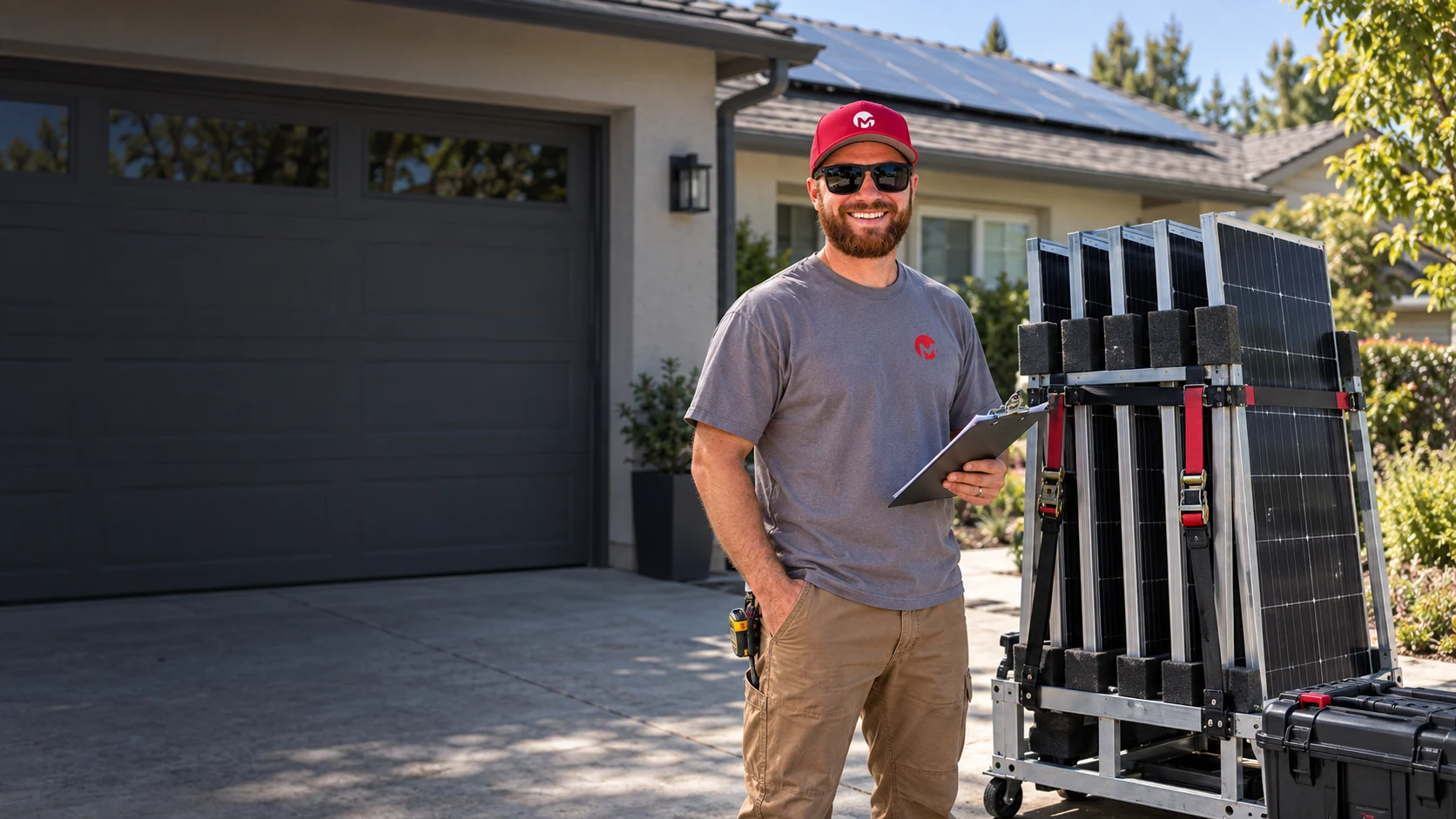
SACRAMENTO / SOLAR AND ROOFING COORDINATION
Roof work is easier to schedule when the solar work has a clear place in the sequence. Menderix removes and reinstalls solar panels for Sacramento-area roofing projects, with attention to existing equipment, storage arrangements, roof attachments and the checks needed before the system returns to service.
Sacramento area · Monday–Sunday, 8 am–6 pm
SET THE SEQUENCE FIRST
The roof crew and solar crew need an agreed handoff. An installation date without a removal, storage and return plan can leave either crew waiting.
Identify the system, ownership, roof scope and proposed roofing dates. Confirm whether the work is a like-for-like return or includes changes.
Define the removal scope, handling and where equipment will be kept. Allow the roof contractor the access needed for the agreed work.
Coordinate the handoff after roofing work. Review attachment and flashing requirements for the new roof before reinstalling the array.
Reconnect the agreed equipment, complete applicable checks and approvals, and verify monitoring and operation as appropriate to the system.
BEFORE ANY EQUIPMENT MOVES
Owned, financed and leased systems can carry different obligations. A lease or power-purchase agreement may require the system provider's authorization or a specific removal process. Equipment warranties can also set conditions for handling and reinstallation.
Tell us about those arrangements early. The work scope should identify any required approval and the records needed before the roofing date is fixed. A roof replacement is also a sensible time to resolve missing system documents or monitoring access.
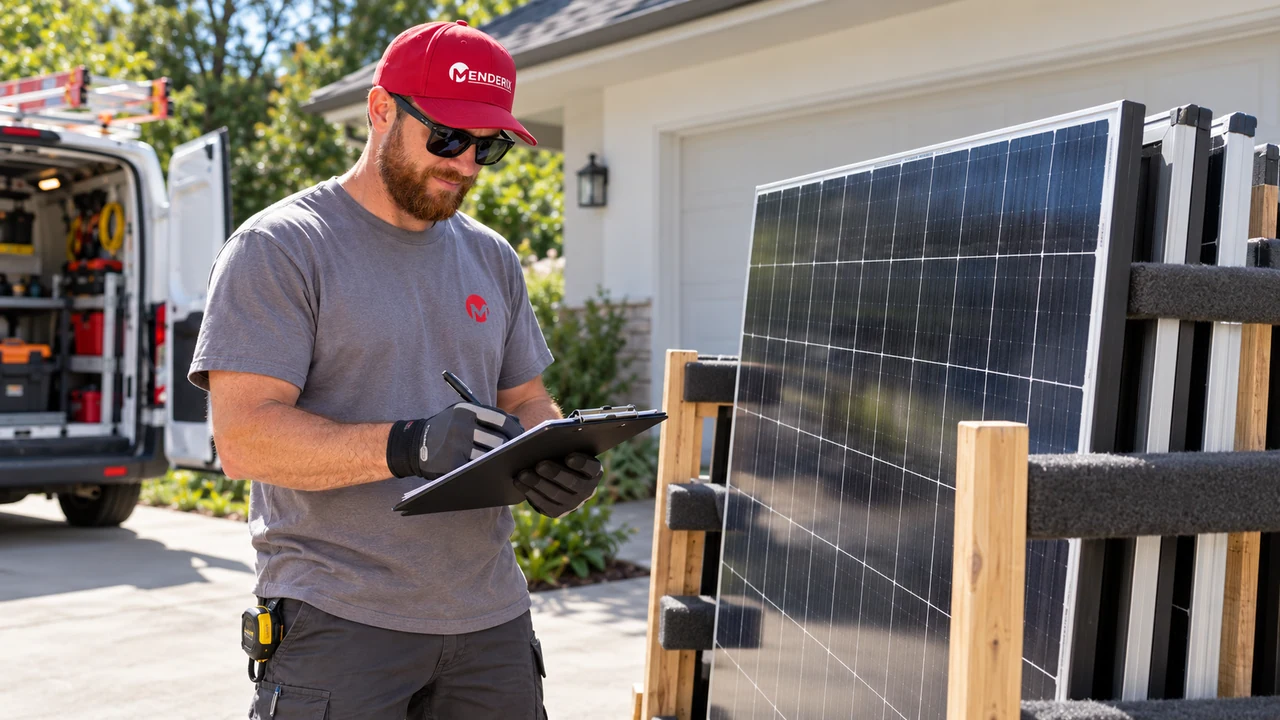
PROTECT WHAT WILL GO BACK
An array includes mounting hardware, electrical connections and equipment that may be concealed while the panels are in place. Documenting the existing layout and condition helps define what can return and what needs further attention.
Storage needs a suitable location, protected handling and a clear responsibility for the equipment while roofing is underway. Existing damage, aged parts or unavailable mounting components can change what reinstallation requires. These issues are easier to address before the return visit, while there is time to source parts or revise the plan.
AGREE ON THE HANDOFFS
Two trades working on the same roof should not leave gaps in the agreed scope. Discuss these items before work begins.
| Item | What to clarify |
|---|---|
| Roof work | Who repairs or replaces the roof and confirms it is ready for solar reinstallation? |
| Attachments and flashing | Which mounting components can be reused, and which must suit the new roofing system? |
| Equipment storage | Where will removed equipment stay, who handles it and what protection is included? |
| Changed or damaged parts | How will unexpected replacement work be documented and approved? |
| Approvals and restart | Which permits, inspections, utility steps or other approvals apply to the actual scope? |
Removing and reinstalling an array does not automatically include roof repair, new solar equipment or a system expansion.
WHAT CHANGES THE JOB
Height, pitch, array position and access around the building affect equipment handling and the work area.
The existing mounting system, roof material and condition of reusable parts influence the reinstallation scope.
The roofing schedule affects storage arrangements and the length of the system's production interruption.
A revised layout, equipment replacement or expansion needs separate consideration, including any effect on approvals or utility terms.
Share the roofer's dates as soon as they are available, including any flexibility if weather or repairs change the schedule.
WHEN THE ARRAY RETURNS
Review the returned layout and any parts replaced during the work. Keep records of changes alongside the original system information.
The reconnected system needs appropriate inspection and testing for its equipment and scope. Any required authorization must be addressed before normal operation.
Confirm access and reporting where monitoring is available. Compare performance using suitable conditions, allowing for weather, season and the time the system was offline.
Before you book
Here are a few details to help you plan the work. Call us if your property or equipment needs a closer look.
The interruption includes removal, roof work and reinstallation, plus any required approvals or corrective work. The roofing schedule is a major factor. Discuss the planned sequence before setting an expected return date.
We can review an existing system and discuss the work. Equipment condition, mounting compatibility, documentation and any ownership or warranty restrictions determine the feasible scope.
That depends on their condition, the mounting system and the new roof requirements. Some components may need replacement. Reuse should be established through review, not assumed from the outset.
It may be a useful time to assess an expansion, but added panels create a different design scope. Equipment compatibility, electrical capacity, approvals and current utility billing terms all need review.
Do not assume that every change leaves billing treatment unchanged. The effect depends on the utility and the actual work. Confirm applicable rules before approving equipment or capacity changes.
Contact Menderix
Send the property address, roof contractor's scope and expected dates. Include the solar system size or panel count if known, equipment information and any lease or provider requirements.