SACRAMENTO / SOLAR INSTALLATION

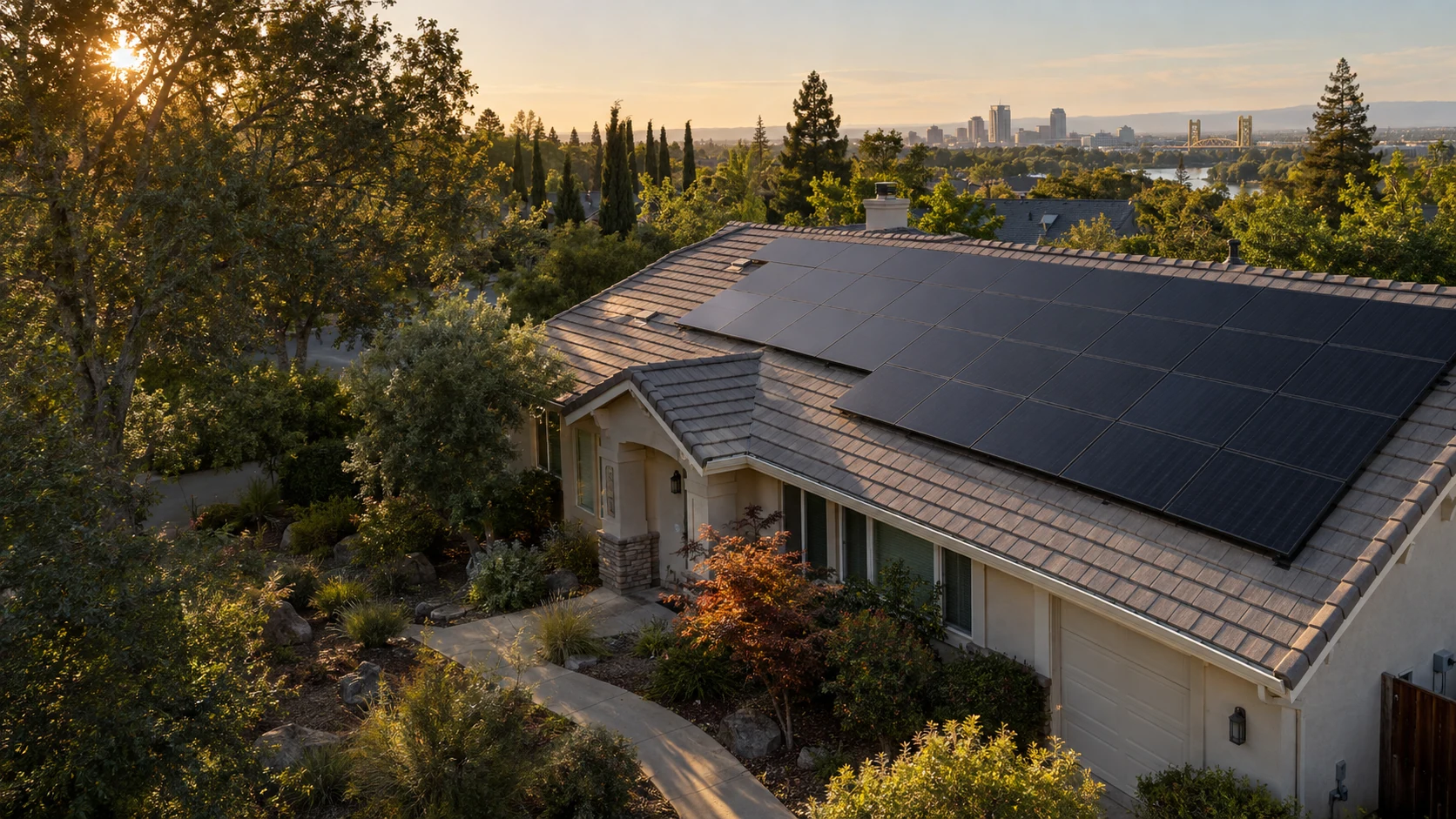
Solar panel installation in Sacramento.

A solar installation should fit your electricity use and the roof available for it. Menderix plans and installs rooftop solar for Sacramento-area properties, with attention to shade, equipment placement and the utility connection. We can also plan battery storage with the installation.

Sacramento area · Monday–Sunday, 8 am–6 pm

Roof and shade assessmentUsage-based system planningSolar with optional storage
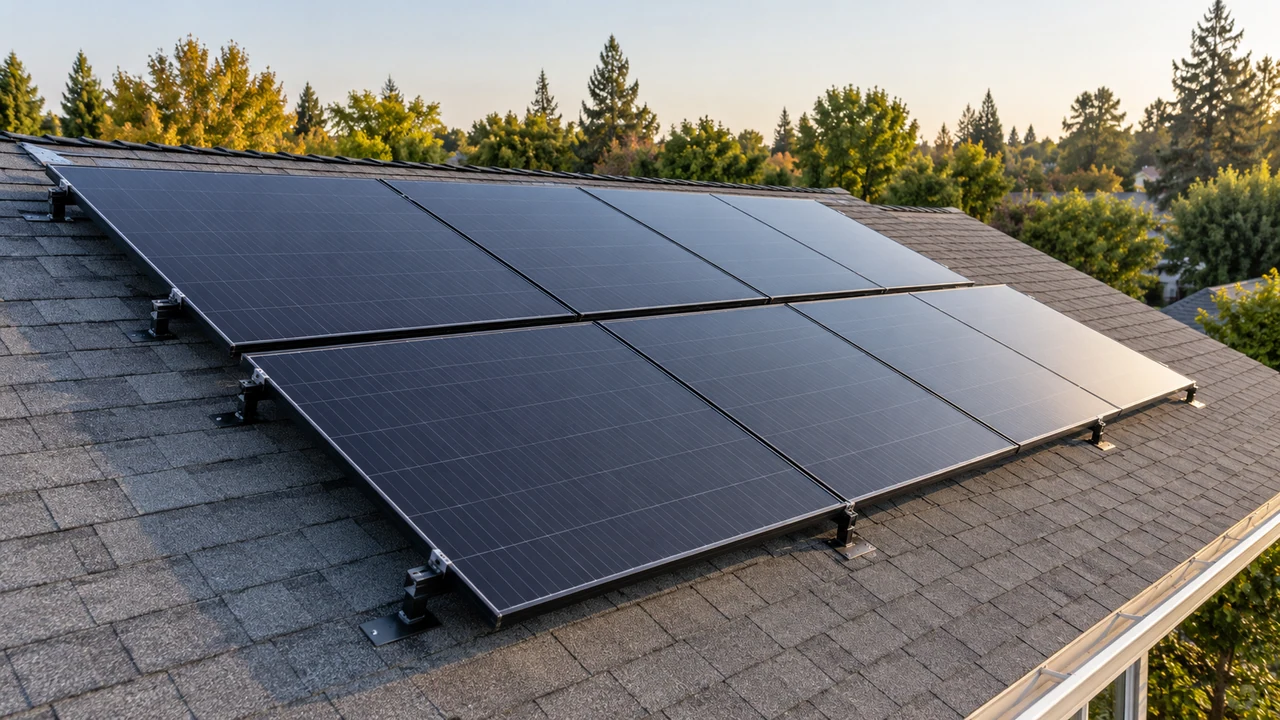
Close view of orderly solar panel rows mounted above a shingle roof

START WITH THE ROOF

The panels may stay longer than the roof beneath them.

Before choosing a panel count, look at the roof's condition, available area and shade through the day. A roof close to replacement deserves attention first. Removing a new array for roofing work later adds another project and another period without production.

Chimneys, roof vents and neighboring trees influence the usable layout. A large roof can still have limited space with good sun exposure. We also consider where equipment and conduit can sit without obstructing access or leaving an awkward route down the house.

  • Roof age and planned repairs
  • Seasonal shade and usable roof planes
  • Space for electrical equipment and access

SIZING THE SYSTEM

Your last bill is only part of the picture.

A proposal should explain the consumption assumptions behind the design. Twelve months of usage reveals seasonal changes that a single summer or winter bill can miss.

What we look atWhy it matters
Annual electricity useEstablishes a baseline for the proposed system rather than sizing by roof area alone.
When you use electricityDaytime consumption and evening demand have different consequences under time-based rates.
Planned electrical changesAn EV, heat pump or additional living space can change the load after installation.
Utility and current tariffSMUD and PG&E apply different solar billing rules; exported energy is not automatically worth the retail rate.

Estimated production is a planning figure. Weather, shade, equipment condition and future consumption affect the result.

MAKE THE BACKUP DECISION EARLY

Solar production and outage backup are separate jobs.

Panels can reduce the electricity you draw from the grid. Keeping selected circuits running during an outage requires a system designed for that purpose.

Solar connected to the grid

This can suit a property focused on generating electricity during daylight. The property remains connected to utility service.

  • Match the layout to usage and available sun
  • Review export credits and billing assumptions

Ordinary grid-connected solar generally shuts down during a utility outage.

Solar with battery storage

Storage can hold energy for later use. Backup operation also needs compatible controls and equipment that safely separate the property from the grid.

  • Choose the circuits you want backed up
  • Compare battery output, usable capacity and reserve settings

A battery does not guarantee unlimited power or overnight operation for every appliance.

FROM DESIGN TO OPERATION

Know which milestone allows the system to run.

Installation, inspection and utility authorization are different steps. The schedule should account for all of them.

  1. Assess and define the scope

    Review the site, roof, consumption and electrical connection. Set out equipment, proposed layout and any work needed before installation.

  2. Confirm approvals and coordination

    Identify permit, inspection and utility application responsibilities in the proposal. Existing equipment or site conditions may need further review.

  3. Install and check the system

    Mount the array, complete the electrical connections and perform the checks required for the installed equipment and approved design.

  4. Complete the utility process

    Follow the utility's authorization requirements before normal operation. Confirm monitoring access and explain what the homeowner should expect to see.

COMPARE THE COMPLETE SCOPE

A lower panel price can leave out important work.

Compare proposals using the full scope, not just a price per panel or system watt. Roof work, electrical changes, long conduit routes and equipment placement can change the job. Permit fees and utility coordination should be identified rather than assumed.

Ask what each warranty covers and who handles a problem. The panel manufacturer's product warranty, expected performance terms and installation workmanship are different matters. Financing terms and any incentive assumptions also deserve a separate read.

BEFORE WE TALK

Bring the information that shapes the design.

You do not need to choose the equipment before contacting us. A few property details help us start with the right questions.

  • Recent utility history

    Share your utility, tariff if known and approximately a year of usage when available.

  • Roof plans

    Tell us the roof's approximate age and whether repairs or replacement are already scheduled.

  • Future loads and backup needs

    Mention an EV, electric appliances, an addition or specific circuits you would want during an outage.

Before you book

Planning a solar installation.

Here are a few details to help you plan the work. Call us if your property or equipment needs a closer look.

Will solar panels work on a shaded roof?

Some shade may be manageable, but its position and duration matter. We assess the usable roof area before recommending a layout. Heavy shade can make another location or a smaller project more appropriate.

Do I need a new electrical panel for solar?

Not automatically. The connection depends on the existing service equipment, ratings and proposed system. An assessment establishes whether the current equipment can accommodate the design or needs modification.

Can I add a battery later?

It may be possible, but compatibility varies. If storage is likely, discuss it during solar planning so the inverter, available space and electrical layout can account for that future work.

How long does solar installation take?

The on-site installation is only one part of the schedule. Design changes, permit review, inspections and utility authorization affect the overall timeline. The project scope should identify those dependencies before work is scheduled.

Does installing solar eliminate my electric bill?

No proposal should assume that. Grid charges, nighttime use, seasonal production and the value of exported energy affect the bill. We review the property's actual utility situation when discussing the system.

Do you install solar for business properties?

Yes. Commercial solar planning includes the building’s electrical demand, roof access and operating schedule. Share usage records and any planned equipment changes so the design can account for daytime loads, the utility tariff and work around an occupied property.

Contact Menderix

Let's see what your roof and usage can support.

Tell us your address, utility and roof age, along with any plans for an EV or battery. We can discuss the next steps for a solar installation that fits the property.

    Fields marked * are required.

    We’ll use your details to respond to your inquiry. Privacy Policy.